

『gas oil flow meter』Related information(v cone flow meter|rotary gas meter|gallon meter|gear meter|metal tube rotameter|glass tube rotameter|nutating disk meter|transit time ultrasonic flow meter|wedge flow meter|pd meters|hydraulic flow meter|ultrasonic water flow meter|water flow meter|air flow meter|magnetic water flow meter|oxygen flow meter|gas flow meter|argon flow meter|air velocity meter|gasoline flow meter|fuel flow meter|ultrasonic water meter|digital water meter|nitrogen flow meter|solid flow meter|Oxygen tank flow meter|digital water flow meter|diesel fuel flow meter|steam flow meter|02 flow meter|compressed air flow meter|oil flow meter|liquid flow meter)
 Here is a comprehensive article on gas oil flow meters, written in English and tailored to be informative and practical.
---
**Understanding Gas Oil Flow Meters: Technology, Selection, and Best Practices**
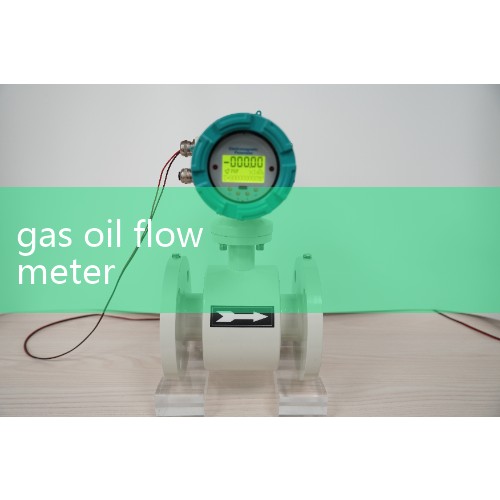
In the industrial and commercial energy sectors, accurate measurement of fuel consumption is not just a matter of accounting; it is a critical component of efficiency, cost control, and regulatory compliance. Gas oil, a middle-distillate fuel commonly used in heating systems, marine engines, and industrial burners, requires precise monitoring. This is where the gas oil flow meter becomes an indispensable tool.
A gas oil flow meter is a device designed to measure the volumetric or mass flow rate of gas oil (diesel fuel) as it moves through a pipeline. Unlike water or other low-viscosity fluids, gas oil has specific properties—such as viscosity, lubricity, and a tendency to generate vapor at high temperatures—that dictate the type of meter most suitable for the application. Selecting the wrong technology can lead to inaccurate readings, mechanical wear, and costly downtime.
**Types of Flow Meters for Gas Oil**
Several flow meter technologies are commonly used for gas oil measurement, each with distinct advantages and limitations.
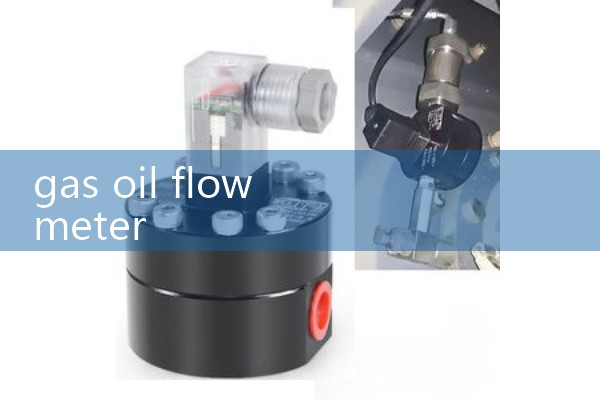
1. **Positive Displacement (PD) Meters:** These are the industry standard for custody transfer and high-accuracy applications. PD meters work by trapping a fixed volume of fluid in rotating chambers (e.g., oval gears, pistons, or vanes) and counting the number of times the chamber is filled. This design offers exceptional accuracy (typically ±0.1% to ±0.5%) and excellent repeatability, even with viscous fluids like gas oil. However, they contain moving parts that wear over time, requirin
 Hot Product
 Related AD