

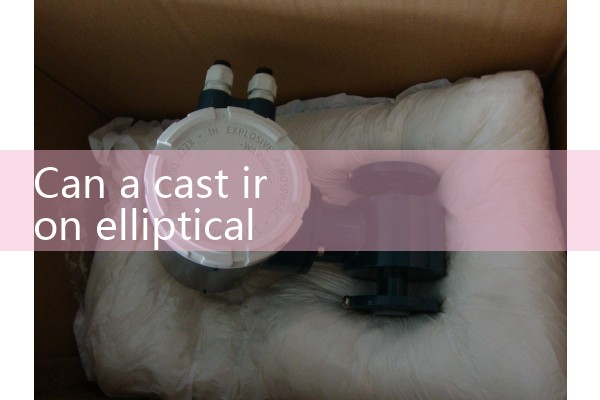
『Cast iron elliptical gear flowmeter』Related information(v cone flow meter|rotary gas meter|gallon meter|gear meter|metal tube rotameter|glass tube rotameter|nutating disk meter|transit time ultrasonic flow meter|wedge flow meter|pd meters|hydraulic flow meter|ultrasonic water flow meter|water flow meter|air flow meter|magnetic water flow meter|oxygen flow meter|gas flow meter|argon flow meter|air velocity meter|gasoline flow meter|fuel flow meter|ultrasonic water meter|digital water meter|nitrogen flow meter|solid flow meter|Oxygen tank flow meter|digital water flow meter|diesel fuel flow meter|steam flow meter|02 flow meter|compressed air flow meter|oil flow meter|liquid flow meter)

1. Selection of Capacity Flow Meter Performance
The selection of capacity flow meter performance should mainly consider the following five factors in the selection of capacity flow meter performance: (1) flow range; ⑵ Physical properties of the tested medium; ⑶ Measurement accuracy; ⑷ Pressure resistance performance (working pressure) and pressure loss; ⑸ Purpose of use. The flow range of a volumetric flowmeter is related to factors such as the type of medium being measured (mainly determined by fluid viscosity), usage characteristics (continuous or intermittent operation), and measurement accuracy. When using the same volumetric flowmeter for fluids with higher viscosity, the flow range is larger for different types of media (mainly because the lower limit flow can be extended to lower values); For the usage characteristics, when used for intermittent measurement, its flow range is relatively large (mainly because the upper limit flow can be larger than that during continuous operation); For measurement accuracy, when used for low accuracy measurements, the flow range is larger, while when used for high accuracy measurements, the flow range is smaller. This can also be clearly seen from the characteristic curve of the flowmeter. In order to maintain the good performance and long service life of the instrument, the maximum flow rate during use should be selected at 70% -80% of the maximum flow rate of the instrument. Due to the large volume of conventional volumetric flow meters, significant noise is generated at high flow rates, making them generally suitable for measuring small and medium flow rates. Based on the performance of volumetric flow meters, when measuring large flow rates, a 45 degree combined wai
 Hot News
 Related AD