

『ABB Thermal Mass Flow Meter: Direct gas mass tracking calibration guides.』Related information(v cone flow meter|rotary gas meter|gallon meter|gear meter|metal tube rotameter|glass tube rotameter|nutating disk meter|transit time ultrasonic flow meter|wedge flow meter|pd meters|hydraulic flow meter|ultrasonic water flow meter|water flow meter|air flow meter|magnetic water flow meter|oxygen flow meter|gas flow meter|argon flow meter|air velocity meter|gasoline flow meter|fuel flow meter|ultrasonic water meter|digital water meter|nitrogen flow meter|solid flow meter|Oxygen tank flow meter|digital water flow meter|diesel fuel flow meter|steam flow meter|02 flow meter|compressed air flow meter|oil flow meter|liquid flow meter)

ABB Thermal Mass Flow Meter Direct Gas Mass Tracking and Calibration Guides
Quick Answer: A thermal mass flow meter tracks gas mass flow directly in kg/h or Nm3/h. It does not need separate pressure and temperature compensation for clean gas applications. For ABB thermal mass meters, start with a zero check under no flow and compare span against a known plant reference before making any adjustment.
What Direct Gas Mass Tracking Means in a Thermal Mass Meter
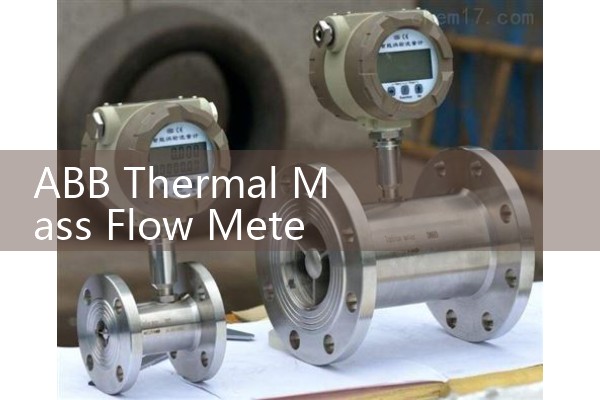
In a thermal mass flow meter, two sensors contact the gas. One sensor is heated. The other sensor is a PT100 reference. Gas molecules remove heat from the heated sensor. The heat loss depends on gas mass velocity and gas type. The transmitter converts this signal into mass flow. You do not need a separate pressure transmitter and a temperature transmitter for standard gas measurement. Silver Instruments supplies inline and insertion thermal mass flow meters for air, natural gas, biogas, oxygen and stack gas. Inline bodies cover DN15 to DN100. Insertion probes cover DN150 to DN1200.
This principle is different from a vortex meter or a differential pressure meter. Those meters measure velocity or volume flow. A thermal mass meter gives a direct mass reading. Because gas flow is mass based, the meter is popular for combustion air, aeration and gas distribution. In practice, the meter remains stable if the gas composition stays constant. We have seen this on customer sites in Vietnam, Indonesia and Saudi Arabia.
Field Calibration Steps for ABB Thermal Mass Flow Meters
ABB thermal mass meters are common in air compressor rooms, boiler air lines and flue gas ducts. Many models output 4-20 mA HART. Some have Modbus RTU. Factory calibration is usually based on air or nitrogen. The calibration sheet lists the gas, flow range and reference conditions. Field verification does not mean changing every setting. Most engineers skip this part because the meter looks stable. That can be a mistake. Here is the thing. A stable reading is not the same as a correct reading.
For a basic field check, block the gas flow. Let the sensor temperature stabilize for 10 to 15 minutes. Read the zero value. If the zero shift is more than 0.5 percent of full scale, check for moisture, dust or oil. A paint manufacturer in Southeast Asia found oil carryover from a compressor on a compressed air meter. After cleaning the sensor and re-zeroing, the meter returned to its original accuracy. Do not adjust span without a known reference flow. Use a calibrated portable flow meter or a bypass reference only.
For natural gas or biogas, gas composition matters. If the methane or carbon dioxide ratio changes, the mass flow reading can shift by 2 to 5 percent. Specify the gas composition at order stage. For biogas from wastewater or landfill, annual factory recalibration is a good target. For compressed air and nitrogen, a two year recalibration cycle is normal.
Key Parameters to Specify Before You Buy
Send us the gas name, pipe size (DN), pressure (bar), temperature (°C) and flow range (kg/h or Nm3/h). Tell us the signal output you need. Options include 4-20 mA HART, RS485 Modbus and pulse. For hazardous areas, mention ATEX Zone 1 or Zone 2. A direct gas mass meter ca
Use the right installation length. Insertion probes need the correct probe depth. Inline meters need straight run before and after the meter. A common rule is 10D upstream and 5D downstream. For a DN80 compressed air line, that equals 800 mm upstream and 400 mm downstream. If straight run is short, a flow conditioner can reduce swirl. In every case, specify the gas density or molecular weight if it is not a common gas.
Silver Instruments Thermal Mass Meter Options
Silver Instruments manufactures inline thermal mass flow meters for DN15 to DN100 and insertion probes for DN150 to DN1200. We calibrate in our Nanjing facility with air or nitrogen as a reference gas. Optional traceable calibration reports are available. Typical accuracy is 1 to 2 percent of reading for air and nitrogen. Repeatability is 0.5 percent of reading. The response time is usually under 1 second. The meter can measure low flow from 0.5 kg/h in small inline models to high flow in large ducts.
If you need a compressed air flow meter price, send us your pipe size, pressure and required flow range. If you need a direct gas mass tracking configuration for argon, oxygen or carbon dioxide, we will check the gas conversion factor before quoting. Call Silver Automation Instruments at +86-135-1213-1526. You can also reach us on WhatsApp at 86-135-12131526 or WeChat at +86 13512131526. For a fast quote, send your gas name, flow range and signal output through flow-meter.com.au. Our team will reply with a model recommendation and a calibration guide for your application.
FAQ
Can a thermal mass flow meter measure gas mass without pressure and temperature compensation? Yes. The meter reads mass flow directly based on heat transfer. You still need stable gas composition. For mixed gases or changing moisture, specify the gas at order stage.
How often should I calibrate an ABB thermal mass flow meter? For normal industrial air and nitrogen, do a zero check every 6 months. Factory recalibration every 2 years is common. For biogas or custody transfer, annual recalibration is better.
Does the calibration change if the pipe size changes? No for inline meters. The meter is calibrated for a specific flow body. Changing pipe size means selecting a different meter size. For insertion meters, the probe depth and duct diameter must be entered into the transmitter.
What is the difference between a zero check and a span calibration? A zero check verifies no flow output. A span calibration verifies output at a known flow. Span calibration needs a reference flow standard or a calibration rig. Field span checks are often not practical.
Can you calibrate for a gas different from air? Yes. We calibrate with air or nitrogen as a base. For other gases we apply conversion factors and can run a special calibration for gases like methane, oxygen or argon. Send us the gas composition and operating conditions.
 Hot Blog
 Related AD