Current position > Product detail
canola oil flow meter
『canola oil flow meter』Related information(v cone flow meter|rotary gas meter|gallon meter|gear meter|metal tube rotameter|glass tube rotameter|nutating disk meter|transit time ultrasonic flow meter|wedge flow meter|pd meters|hydraulic flow meter|ultrasonic water flow meter|water flow meter|air flow meter|magnetic water flow meter|oxygen flow meter|gas flow meter|argon flow meter|air velocity meter|gasoline flow meter|fuel flow meter|ultrasonic water meter|digital water meter|nitrogen flow meter|solid flow meter|Oxygen tank flow meter|digital water flow meter|diesel fuel flow meter|steam flow meter|02 flow meter|compressed air flow meter|oil flow meter|liquid flow meter)
 **Understanding Canola Oil Flow Meters: Selection, Application, and Best Practices**
Accurate flow measurement is critical in the food processing and edible oil industries, particularly when handling viscous liquids like canola oil. Canola oil, known for its light texture and high smoking point, is widely used in cooking, baking, and industrial food production. However, its specific physical properties—such as viscosity, density, and temperature sensitivity—demand careful selection of flow metering technology. This article explores the key considerations for choosing a flow meter for canola oil, common technologies, and practical tips for reliable operation.
### Why Flow Measurement Matters for Canola Oil
In processing plants, flow meters are used for:
- **Batch control**: Ensuring precise ingredient addition in recipes.
- **Inventory management**: Monitoring storage tanks and transfer lines.
- **Bottling and filling**: Maintaining consistent fill volumes.
- **Process efficiency**: Optimizing pump speeds and reducing waste.
Canola oil is moderately viscous (about 50–100 cP at room temperature) and can vary with temperature. It is also non-conductive, non-abrasive, and relatively clean—properties that influence meter choice.
### Suitable Flow Meter Technologies for Canola Oil
#### 1. **Positive Displacement (PD) Meters**
PD meters, such as oval gear or helical screw designs, are often the first choice for canola oil. They trap fixed volumes of fluid and count the rotations, offering high accuracy (typically ±0.5% or better) even at low flow rates. They handle viscosity changes well and are ideal for batch and custody transfer applications. However, they introduce a slight pressure drop and may require maintenance if
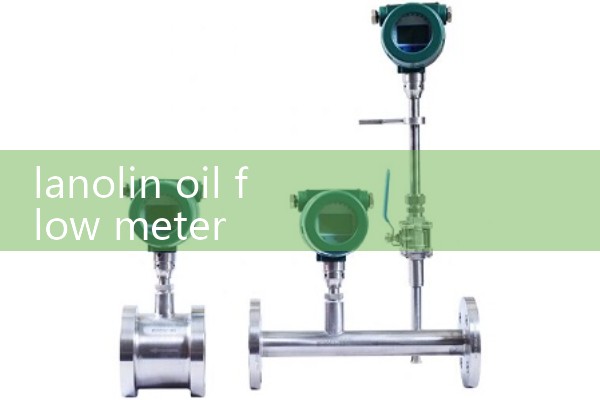 particulates are present.
#### 2. **Coriolis Mass Flow Meters**
Coriolis meters measure mass flow directly, unaffected by changes in fluid density, viscosity, or temperature. They are extremely accurate (±0.1% to ±0.2%) and can also provide density and temperature readings. This makes them excellent for processes where precise mass-based batching is needed. The downside is higher initial cost and sensitivity to vibration and air bubbles.
#### 3. **Turbine Flow Meters**
Turbine meters use a rotating rotor whose speed is proportional to flow velocity. They work well with clean, low-to-moderate viscosity oils like canola oil, offering good repeatability and moderate accuracy (±0.5% to ±1%). However, they are sensitive to viscosity changes and require straight pipe runs upstream. They are a cost-effective option for many in-plant transfer applications.
#### 4. **Electromagnetic Flow Meters**
Standard electromagnetic meters rely on conductive fluids and are **not suitable** for canola oil, which is non-conductive. Special designs (e.g., using capacitive or RF excitation) exist for non-conductive liquids, but they are less common and more expensive.
#### 5. **Ultrasonic Flow Meters**
Clamp-on or inline ultrasonic meters can measure canola oil, but performance depends on fluid cleanliness and pipe material. Doppler types require particles or bubbles for signal reflection; transit-time types work better with clean liquids. Accuracy is typically ±1% to ±2% and can be affected by temperature and viscosity. They offer non-intrusive measurement and no moving parts.
### Key Factors for Selection
- **Viscosity Range**: PD and Coriolis meters handle viscous fluids best, while turbine meters may struggle at very high or erratic v
『SILVER Official Website SERVICE』
User:venturimeter53760Last Time:07/22/2026