Current position > Product detail
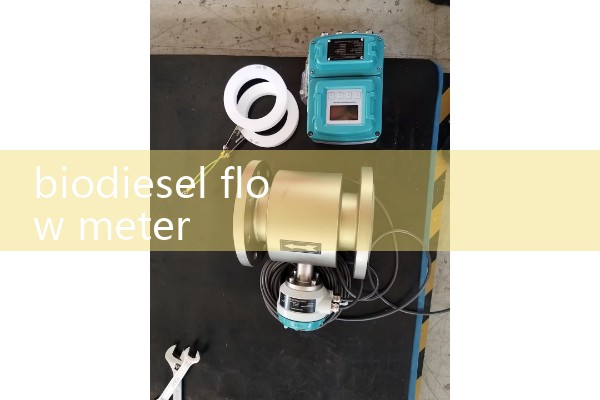
biodiesel flow meter
『biodiesel flow meter』Related information(v cone flow meter|rotary gas meter|gallon meter|gear meter|metal tube rotameter|glass tube rotameter|nutating disk meter|transit time ultrasonic flow meter|wedge flow meter|pd meters|hydraulic flow meter|ultrasonic water flow meter|water flow meter|air flow meter|magnetic water flow meter|oxygen flow meter|gas flow meter|argon flow meter|air velocity meter|gasoline flow meter|fuel flow meter|ultrasonic water meter|digital water meter|nitrogen flow meter|solid flow meter|Oxygen tank flow meter|digital water flow meter|diesel fuel flow meter|steam flow meter|02 flow meter|compressed air flow meter|oil flow meter|liquid flow meter)
 Of course. Here is a comprehensive English article on biodiesel flow meters, written at an informative and professional level.
---
### Measuring the Green Fuel: A Guide to Biodiesel Flow Meters
As the world shifts toward sustainable energy sources, biodiesel has emerged as a leading alternative to traditional fossil diesel. Derived from vegetable oils, animal fats, or recycled greases, biodiesel is renewable, biodegradable, and significantly reduces greenhouse gas emissions. However, the production, transportation, and utilization of biodiesel present unique challenges, especially when it comes to accurate measurement. This is where the **biodiesel flow meter** becomes an indispensable tool.
#### The Viscosity Challenge
The primary difference between biodiesel and petroleum diesel is its higher viscosity, especially at lower temperatures. While standard diesel is relatively thin, biodiesel (B100) can be thick and syrupy. Its viscosity can vary significantly based on its feedstock (e.g., soy, canola, palm oil) and the ambient temperature. A flow meter designed for standard fuels may fail to provide accurate readings when handling biodiesel because higher viscosity fluids create different flow dynamics. Therefore, a specialized biodiesel flow meter must be capable of handling a wide range of viscosities without compromising accuracy.
#### Common Types of Biodiesel Flow Meters
Not all flow meters are created equal. The following technologies are most commonly employed in biodiesel applications:
1. **Positive Displacement (PD) Meters:** These are widely considered the gold standard for biodiesel. PD meters trap a fixed volume of fluid and count how many times that volume is filled and discharged. They are inherently
 accurate regardless of viscosity changes, making them ideal for thick liquids like biodiesel. Their key advantage is high precision (often ±0.1% to ±0.5%) without requiring a straight pipe run for flow conditioning. They are commonly used in custody transfer (buying and selling) and blending operations.
2. **Coriolis Mass Flow Meters:** Coriolis meters measure mass flow directly, not volume. Since biodiesel density can change with temperature and feedstock, measuring mass is often more accurate for commercial transactions. They are extremely precise (±0.1% or better) and require minimal maintenance. However, they are significantly more expensive than other options.
3. **Gear Flow Meters:** A subtype of positive displacement technology, gear meters are compact, affordable, and provide excellent repeatability. They use interlocking gears to measure flow and are particularly effective for high-viscosity fluids. They are a popular choice for smaller production facilities or in-truck metering.
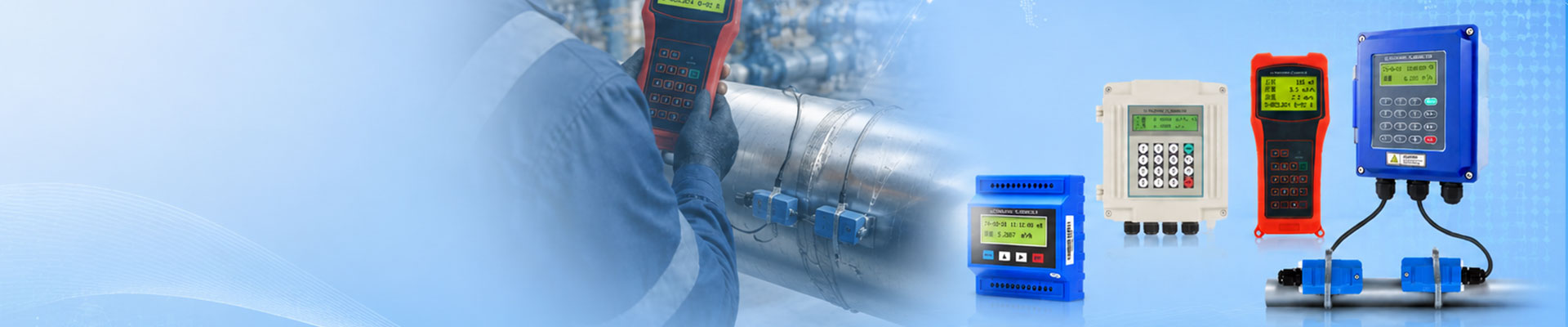
4. **Ultrasonic Flow Meters:** These use sound waves to measure flow velocity. While some models struggle with viscous fluids, advanced transit-time ultrasonic meters can work effectively with biodiesel. Their primary benefits are that they are non-intrusive (no moving parts to wear out) and can handle large pipe diameters.
#### Key Selection Criteria
When choosing a flow meter for biodiesel, consider these factors:
- **Viscosity Range:** Ensure the meter is rated for the specific viscosity of your biodiesel. A meter that works for B5 (5% biodiesel) may fail for B100.
- **Temperature Tolerance:** Biodiesel is often heated to reduce viscosity during processing. The meter must withstand temperatures up to 50–80°C (122–176°F).
-
『SILVER Official Website SERVICE』
User:flowratemeter58e24Last Time:07/22/2026