Current position > Product detail
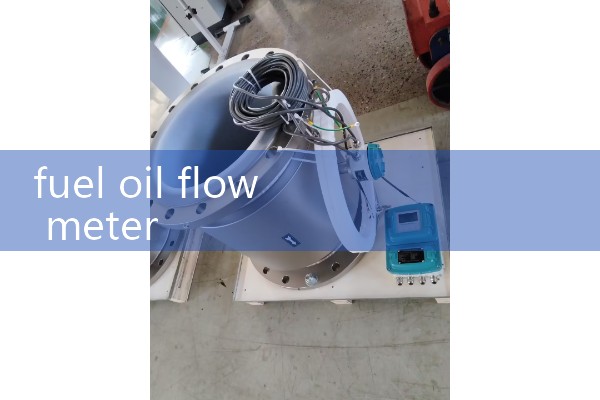
fuel oil flow meter
『fuel oil flow meter』Related information(v cone flow meter|rotary gas meter|gallon meter|gear meter|metal tube rotameter|glass tube rotameter|nutating disk meter|transit time ultrasonic flow meter|wedge flow meter|pd meters|hydraulic flow meter|ultrasonic water flow meter|water flow meter|air flow meter|magnetic water flow meter|oxygen flow meter|gas flow meter|argon flow meter|air velocity meter|gasoline flow meter|fuel flow meter|ultrasonic water meter|digital water meter|nitrogen flow meter|solid flow meter|Oxygen tank flow meter|digital water flow meter|diesel fuel flow meter|steam flow meter|02 flow meter|compressed air flow meter|oil flow meter|liquid flow meter)
 Here is a comprehensive English article on the topic of "Fuel Oil Flow Meter."
---
**Understanding Fuel Oil Flow Meters: Technology, Application, and Selection**
In industries where fuel oil is the lifeblood of operations—from marine shipping and power generation to heavy manufacturing and commercial heating—accurate measurement is not merely a convenience; it is a critical necessity. A fuel oil flow meter is a specialized instrument designed to measure the volumetric or mass flow rate of fuel oil through a pipe. These devices play an essential role in ensuring operational efficiency, regulatory compliance, cost control, and environmental protection.
**The Importance of Accurate Flow Measurement**
Fuel oil, which includes heavy fuel oil (HFO), marine gas oil (MGO), and diesel, is a costly commodity. Even minor inaccuracies in measurement can lead to significant financial losses over time. For instance, in a large marine vessel, a discrepancy of just 0.5% in a flow meter can translate into thousands of dollars in unaccounted fuel per voyage. Beyond cost, accurate measurement is crucial for:
- **Bunkering Operations:** Verifying the quantity of fuel received from suppliers.
- **Engine Efficiency Monitoring:** Tracking fuel consumption to optimize engine performance and reduce emissions.
- **Emissions Reporting:** Providing precise data for compliance with environmental regulations like the IMO 2020 sulfur cap.
- **Inventory Management:** Maintaining accurate records of fuel stored in tanks.
- **Billing and Custody Transfer:** Ensuring fair and precise transactions between parties.
**Types of Fuel Oil Flow Meters**
Selecting the right technology is critical because fuel oil presents unique challenges. It can be highl
 y viscous, contain particulates, and vary in temperature. The most common types include:
1. **Positive Displacement (PD) Meters:** These are among the most accurate and reliable for high-viscosity fluids like heavy fuel oil. They work by trapping a fixed volume of fluid and counting how many times that volume is filled and discharged. Common subtypes include oval gear, helical gear, and rotary piston meters. They are excellent for custody transfer and bunkering but may be sensitive to debris and require filtration.
2. **Coriolis Mass Flow Meters:** These meters measure mass flow directly by analyzing the vibration of a tube through which the fluid passes. They are extremely accurate and unaffected by changes in fluid density, viscosity, or temperature. Because they measure mass (e.g., kilograms) rather than volume, they are ideal for applications where energy content (which is proportional to mass) is the key metric. Their high cost is justified in critical applications like engine fuel monitoring.
3. **Turbine Flow Meters:** These meters use a rotating rotor whose speed is proportional to the flow velocity. While suitable for low-viscosity fuels like diesel, they are less effective with viscous heavy fuel oil, as the fluid’s resistance can affect accuracy. They are often used for less critical, lower-viscosity applications.
**Key Considerations for Selection**
Choosing the right meter requires a careful assessment of several factors:
- **Viscosity:** The single most important factor. Heavy fuel oil (HFO) can have a viscosity of 380 cSt or higher. PD meters and Coriolis meters handle high viscosity well; turbine meters do not.
- **Temperature and Pressure:** Fuel oil is often heated to reduce viscosity before co
『SILVER Official Website SERVICE』
User:flowmeasurementdevicesf1934Last Time:07/22/2026