

 Current position > News detail
『Technical parameters of vortex flowmeter』Related information(v cone flow meter|rotary gas meter|gallon meter|gear meter|metal tube rotameter|glass tube rotameter|nutating disk meter|transit time ultrasonic flow meter|wedge flow meter|pd meters|hydraulic flow meter|ultrasonic water flow meter|water flow meter|air flow meter|magnetic water flow meter|oxygen flow meter|gas flow meter|argon flow meter|air velocity meter|gasoline flow meter|fuel flow meter|ultrasonic water meter|digital water meter|nitrogen flow meter|solid flow meter|Oxygen tank flow meter|digital water flow meter|diesel fuel flow meter|steam flow meter|02 flow meter|compressed air flow meter|oil flow meter|liquid flow meter)

1. What parameters are related to the speed of a vortex flowmeter?
The measurement slip and roundness speed (i.e. instrument display or output frequency) of a vortex flowmeter (usually referring to a vortex flowmeter) is mainly directly related to the following parameters:
1. Fluid physical parameters • Flow rate: Flow rate is proportional to the speed of the source and flow, and the faster the flow rate, the higher the frequency of vortex generation.
. • Fan collapse density: affects the thrust generated by the vortex body, indirectly affects the signal strength, but does not directly change the frequency. • Viscosity: High viscosity fluids can weaken the stability of vortex streets, leading to measurement errors or signal loss in the low-frequency range2. Instrument structural parameters • Shape and size of vortex street generators: The Strouhal number (St) of different shapes such as triangular and trapezoidal columns varies, directly affecting the conversion relationship between frequency and flow velocity. • Pipeline diameter: The larger the diameter, the lower the flow velocity at the same flow rate, and the corresponding output frequency decreases
3. Working environment parameters • Temperature: affects fluid density and viscosity, indirectly changing instrument coefficients (temperature compensation is required). • Pressure: High pressure may alter pipeline deformation and fluid density, requiring pressure compensation calibration
4. Signal processing parameters • Amplifier filtering settings: Improper cutoff frequency of high/low-pass filters can suppress effective signals. Sensitivity threshold: If the threshold is too high, it will miss low-frequency weak signals, while i
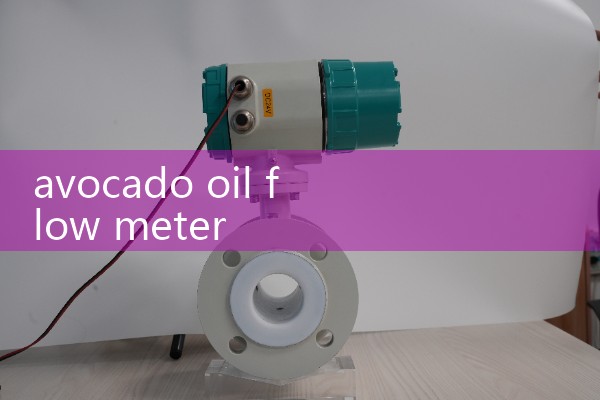
2. Technical parameters of integrated vortex flowmeter
1. Caliber: DN15-DN2002. Nominal pressure
1.6MPa, 2.5MPa, 4MPa. 3. Operating environment temperature range: -25 ℃~+130 ℃, -25 ℃~+250 ℃, -25 ℃~+300 ℃, guess search. 4. Accuracy: ± 1.0%. 5. Power supply: internal power supply 3.6V lithium Zhengshi battery. External power supply+24VDC ± 10%
3. How to choose a vortex flowmeter under pressure conditions
The core parameters for choosing a vortex flowmeter under pressure conditions are that the pressure resistance level must be ≥ 1.5 times the working pressure, and 316L stainless steel shell is preferred when the medium temperature is ≤ 350 ℃. 1. Selection of pressure resistance parameters - nominal pressure resistance level ≥ 1.6 times the maximum working pressure of the system (GB/T12264-2022 standard) - pressure resistance range of conventional industrial vortex street flow meters: PN10~PN420 (1~42MPa) - ultra-high pressure models need to be specially customized, up to PN630 (63MPa). 2. Structural material requirements • Shell material: carbon steel (≤ 2.5MPa), 304 stainless steel (≤ 4.0MPa), 316L stainless steel (≥ 4.0MPa or corrosive medium) •