

 Current position > Product detail
『Classification of Electromagnetic Flowmeters』Related information(v cone flow meter|rotary gas meter|gallon meter|gear meter|metal tube rotameter|glass tube rotameter|nutating disk meter|transit time ultrasonic flow meter|wedge flow meter|pd meters|hydraulic flow meter|ultrasonic water flow meter|water flow meter|air flow meter|magnetic water flow meter|oxygen flow meter|gas flow meter|argon flow meter|air velocity meter|gasoline flow meter|fuel flow meter|ultrasonic water meter|digital water meter|nitrogen flow meter|solid flow meter|Oxygen tank flow meter|digital water flow meter|diesel fuel flow meter|steam flow meter|02 flow meter|compressed air flow meter|oil flow meter|liquid flow meter)

What are the measurement ranges of electromagnetic flow meters?
1、 Electromagnetic flowmeter is a very sensitive flowmeter that can measure the flow rate of conductive liquids. It is also economical and has a diameter of generally DN10-- DN2000. It can measure sewage or corrosive liquids and has a wide range of applications;
2、 Electromagnetic flow meters can only measure volumetric flow rates, with units such as m3/h (cubic meters/hour), L/min (liters/minute), etc. They have pure grinding instantaneous flow rate display and cumulative flow rate display;
3、 The measurement range corresponding to electromagnetic flow meters of different diameters is: (unit: m3/h): DN10:0.03-4.24; DN15:0.06---9.54; DN20:0.12---16.96; DN25:0.18---26.5; DN32:0.29---43.42; DN40:0.45---67.85; DN50:0.7---106; DN65
1.19---179; DN80
1.8---271; DN100:2.28---424; DN125:4.41---662.。。。。。 For more detailed information, please refer to the technical article on the website of Shandong Qiangsheng Automation Technology Co., Ltd.... Www.qszdh. com
2. What are the differences between electromagnetic flowmeters and vortex flowmeters?
The difference between electromagnetic flowmeter and vortex flowmeter. Electromagnetic flowmeter and vortex flowmeter are two commonly used flowmeters, and they have significant differences in working principle, application range, accuracy and stability, as well as characteristics..
1. Working principle of electromagnetic flowmeter: It works based on Faradays law of electromagnetic induction.
. Install a pair of detection electrodes or electrodes perpendicular to the axis of the measuring tube and the magnetic field lines on the tube wa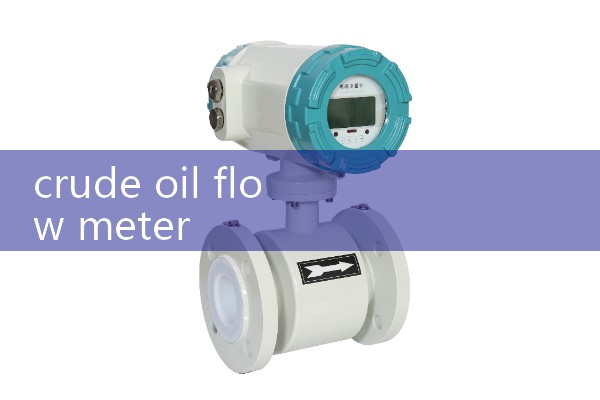
2. Scope of Application Electromagnetic flowmeter: Generally only applicable to conductive liquids, with high requirements for the purity of the medium.
. Due to the limitations of its working principle, it cannot measure non-conductive media. Electromagnetic flow meters are widely used in fields such as chemical engineering, water treatment, and food production, with high measurement accuracy for conductive liquids. Vortex flowmeter: suitable for liquids or gases, but has certain requirements for the temperature, pressure, and viscosity of the medium. It is not suitable for measuring viscous liquids, granular solid media and liquids containing foam and bubbles. Vortex flow meters are widely used in industries such as tap water and gas.III. Accuracy and Stability Electromagnetic flowmeter: With high accuracy and stability, it can achieve an accuracy of 0.5%, making it more suitable for high-precision measurements.
. Vortex flowmeter: The accuracy and stability are relatively low, generally between 1% and 2%