Current position > Product detail
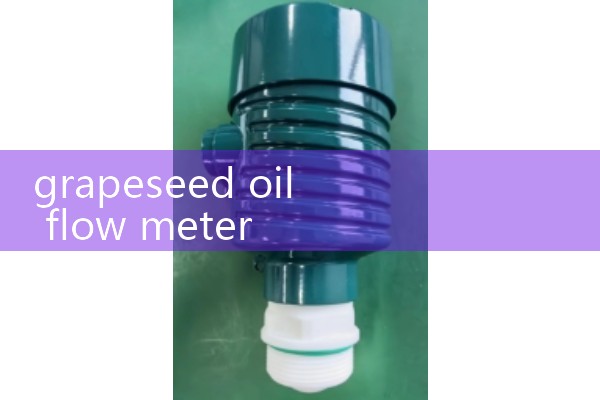
grapeseed oil flow meter
『grapeseed oil flow meter』Related information(v cone flow meter|rotary gas meter|gallon meter|gear meter|metal tube rotameter|glass tube rotameter|nutating disk meter|transit time ultrasonic flow meter|wedge flow meter|pd meters|hydraulic flow meter|ultrasonic water flow meter|water flow meter|air flow meter|magnetic water flow meter|oxygen flow meter|gas flow meter|argon flow meter|air velocity meter|gasoline flow meter|fuel flow meter|ultrasonic water meter|digital water meter|nitrogen flow meter|solid flow meter|Oxygen tank flow meter|digital water flow meter|diesel fuel flow meter|steam flow meter|02 flow meter|compressed air flow meter|oil flow meter|liquid flow meter)
 Here is a comprehensive article on the topic of grapeseed oil flow meters.
---
### Precision in Production: Selecting the Right Flow Meter for Grapeseed Oil
In the world of food processing and industrial manufacturing, accuracy is paramount. For producers of grapeseed oil—a popular cooking oil and cosmetic ingredient known for its light texture and high smoke point—measuring the flow of this viscous liquid is a critical challenge. Grapeseed oil, derived from the seeds of wine grapes, has unique physical properties that demand specialized measurement solutions. Understanding the nuances of **grapeseed oil flow meters** is essential for maintaining product quality, ensuring process efficiency, and minimizing waste.
#### The Challenge of Grapeseed Oil
Before selecting a flow meter, one must understand the liquid in question. Grapeseed oil is a non-Newtonian fluid that exhibits significant viscosity, typically ranging from 50 to 70 centipoise (cP) at room temperature. Its density is around 0.92 g/cm³. Unlike water, grapeseed oil can be sensitive to temperature changes, becoming significantly thinner (less viscous) when heated. This variability makes traditional mechanical flow meters, like simple turbine meters, prone to inaccuracies. Additionally, the oil may contain tiny seed particles or sediment, which can clog or damage certain meter types. Therefore, a robust, reliable, and sanitary flow meter is a non-negotiable component of any grapeseed oil production line.
#### Top Flow Meter Technologies for Grapeseed Oil
Several flow meter technologies have proven effective in handling the specific characteristics of grapeseed oil. The best choice depends on the application—whether it’s measuring raw oil intake, blending w
 ith additives, or filling bottles.
**1. Coriolis Mass Flow Meters**
For high-precision applications, the Coriolis meter is the gold standard. It measures mass flow directly, not volume, meaning it is unaffected by changes in viscosity, temperature, or density. This is a significant advantage when handling grapeseed oil that may vary in temperature. A Coriolis meter can achieve accuracy within ±0.1% of the flow rate. It is ideal for filling operations where exact weight is critical, for blending expensive ingredients, or for fiscal metering (transfer of ownership). The downside is cost; Coriolis meters are the most expensive option.
**2. Positive Displacement (PD) Meters**
PD meters are the workhorses of the oil industry. They work by trapping a fixed volume of oil in a chamber and counting how many times it is filled. This mechanical action makes them highly accurate for viscous liquids like grapeseed oil, often achieving ±0.5% accuracy. Common types include oval gear and helical rotor meters. They are robust and do not require a long straight pipe run to operate effectively. However, they are prone to wear over time due to moving parts, and they introduce a slight pressure drop into the system. They are excellent for batching and inventory management.
**3. Electromagnetic Flow Meters (Magmeters)**
Magmeters are a popular choice if the grapeseed oil is free of air bubbles. They use a magnetic field to measure flow velocity and have no moving parts, making them low-maintenance and highly hygienic. They are especially useful for automatic cleaning (CIP) systems used in food processing plants, as they present no obstruction to the cleaning fluid. The limitation is that Magmeters require the fluid to be conductive. While
『SILVER Official Website SERVICE』
User:flowinstrumentsf099bLast Time:07/22/2026